How to Take Song Requests at a Bar or Nightclub

Playing a bar or nightclub is one of the most demanding environments for managing song requests. The crowd is loud, the stakes are high, and everyone who walks up to the booth thinks their request is the most important one of the night. Without a clear system, you’ll spend more time managing the crowd than actually DJing. Here’s how to take requests at a bar or nightclub without losing your mind or your flow.
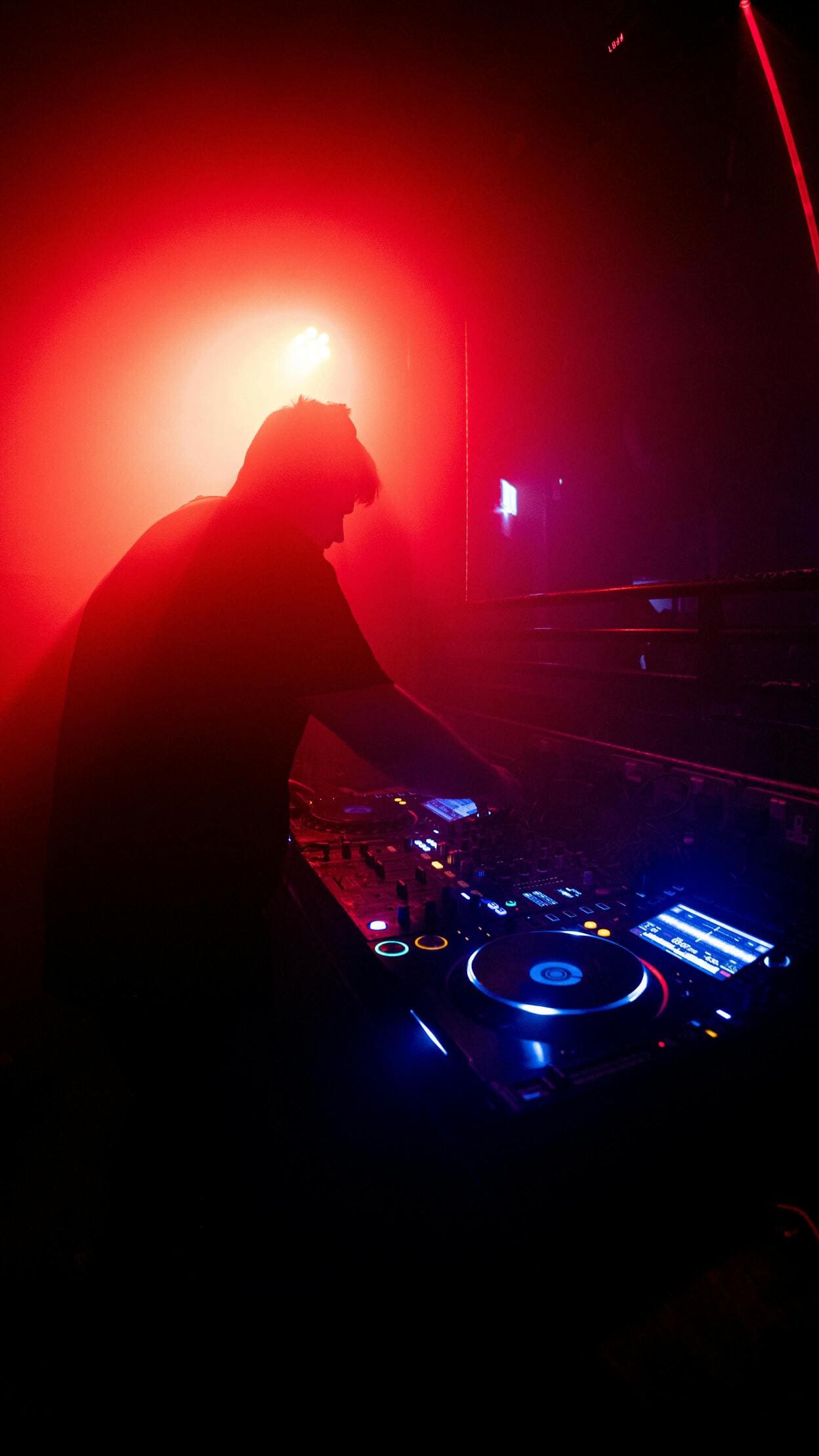
Why bar and nightclub requests are uniquely challenging
Bars and nightclubs present a set of problems that wedding and event DJs rarely deal with. The crowd is anonymous. You don’t know them, and they have zero social filter when it comes to asking for songs. You’ll get the same song requested by ten different people, someone will ask for something completely off-genre, and at least one person will get aggressive when you don’t play their track within the next five minutes.
Add alcohol into the mix, a loud room that makes verbal communication nearly impossible, and a dance floor that can die instantly if you play the wrong song at the wrong time, and you’ve got a recipe for chaos. The solution isn’t to stop taking requests; it’s to build a system that gives you control without killing the vibe.
Set a request system up before doors open
The worst time to figure out your request process is when someone is already standing at your booth. Set everything up before the night starts:
- Decide whether you’re taking requests at all, since not every set benefits from them, especially if you’re playing a theme night or a tightly curated style
- If you are, place a QR code at the bar, on tables, and near the entrance so guests know the process before they approach you
- Set a clear scope: “requests from tonight’s genre only” or “open requests from 10pm to midnight” gives the crowd structure
- Make sure you can see incoming requests without looking away from the decks for more than a second
Having the system visible from the start means most people will use it, and those who approach the booth anyway can be redirected politely.
Use QR codes instead of verbal requests
The booth is not a conversation space during a live set. Every time someone leans over to shout a song title at you, you’re split between managing the current track and decoding what they’re saying over 100dB of music. More often than not, you mishear the request or the conversation derails into a longer exchange that’s killing your focus.
QR codes solve this. With a tool like Rekwest, guests scan a code from anywhere in the venue and submit their request from their phone. You see it on your screen without breaking eye contact with the crowd. No shouting, no lip-reading, no awkward thumbs-up-or-down signals across the room.
Posting the QR code visibly also reduces the number of people who approach the booth in the first place, which alone is worth it on a busy night.
Filter and moderate incoming requests
Getting a request doesn’t mean playing it. In a bar or nightclub environment, your job is to read the room, not just the queue. Before dropping any requested track, ask yourself:
- Does this fit where the night is right now?
- Will this kill the dance floor or push it further?
- Have I already played something similar in the last 30 minutes?
- Is this request from someone who’s been on the dance floor all night, or someone who just walked in?
A good digital request system lets you see all queued requests and accept or decline them without engaging with the requester directly. Declining a request on an app feels a lot less personal than turning someone down face-to-face, which means less friction and fewer confrontations.
Balance requests with your planned set
Requests should season your set, not dictate it. The biggest mistake DJs make is treating the request queue as a playlist and playing songs back-to-back in the order they arrive. That approach strips you of creative control and often produces jarring transitions.
Instead, treat requests as suggestions that you layer into an arc you’re already building:
- Keep a mental picture of where you want the night to go: energy-wise, genre-wise, tempo-wise
- Slot accepted requests into natural transition points rather than forcing them in
- If a request fits perfectly with what you were already going to play, great. Move it forward in the queue
- If it doesn’t, keep it parked and revisit it when the moment is right
The best DJs make requested songs feel like they were part of the plan all along.
Handle tip-tied requests professionally
In some venues, tipping the DJ in exchange for song priority is an accepted norm. In others, it’s frowned upon or explicitly against venue policy. Know which situation you’re in before the night starts.
If tips are part of the culture:
- Be transparent about it: a small sign at the booth works better than an awkward negotiation
- Never guarantee a request in exchange for a tip; say you’ll “do your best to work it in”
- Don’t let the highest tip always win, since that approach will eventually produce a chaotic, incoherent set
If tips aren’t standard:
- Redirect cash offers politely: “I’ll see what I can do” is enough
- Never accept money in a way that could look like you’re taking bribes from guests in front of other guests, as it creates resentment
Either way, your integrity as a DJ is worth more than a $20 bill.
Build a loyal crowd through request culture
Bars and nightclubs live and die by repeat business. Regulars are your most valuable audience, and nothing builds loyalty faster than a DJ who remembers what people like.
Use request data over time to build a picture of what your regular crowd wants:
- Notice which songs get requested every week and make sure they’re always ready to go
- Spot which requests consistently bomb on the dance floor and filter them out proactively
- When a regular makes a request and you play it, acknowledge them: a nod or a point in their direction costs nothing and means everything
Over time, your request culture becomes part of your brand. Regulars bring their friends because they know their music gets heard.
Managing song requests at a bar or nightclub is as much about crowd management as it is about music selection. Build a system that keeps you in control, use the right tools to cut down on booth interruptions, and use the request queue to inform your set rather than dictate it. Platforms like Rekwest make it easy to collect and filter requests digitally, so you can stay focused on what actually matters: keeping the room moving.